
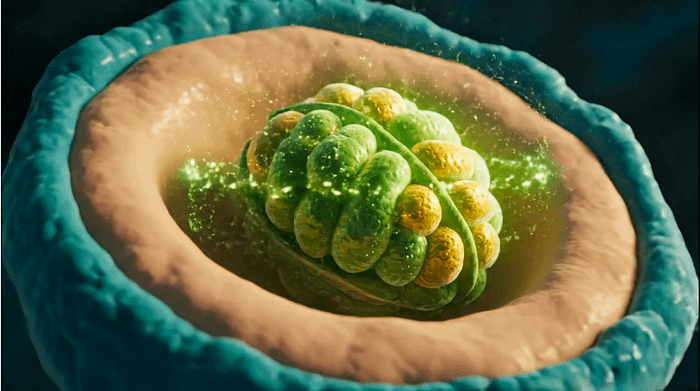
Mitochondria are the powerhouses of our cells, driving energy production and influencing a range of metabolic processes. When mitochondria aren’t functioning optimally, it can contribute to fatigue, metabolic imbalance, and even chronic diseases. Understanding which foods can negatively impact mitochondrial health helps us address root causes at the mitochondrial level and make smarter dietary choices. In this post, we’ll explore how certain foods can affect mitochondrial function and how to tailor your diet to support healthy energy production.
Introduction to mitochondrial health and diet
Mitochondria generate adenosine triphosphate (ATP), the cellular energy currency, through complex pathways like glycolysis, the citric acid cycle, and oxidative phosphorylation. These processes rely on nutrient availability, antioxidant balance, and minimal mitochondrial stress. Diet plays a critical role in shaping these factors. By addressing root cause at the mitochondrial level, we can reduce oxidative stress, improve insulin sensitivity, and bolster cellular resilience. With that lens, let’s examine foods that can undermine mitochondrial function and how to adjust your eating pattern for better energy.
Foods high in processed sugars and refined carbohydrates
Excessive intake of added sugars and highly refined carbohydrates can strain mitochondria in several ways. Elevated blood glucose leads to increased insulin, advanced glycation end products (AGEs), and lipid peroxidation, all of which can impair mitochondrial efficiency. Over time, this can diminish ATP production and increase reactive oxygen species (ROS). Limiting foods such as sugary beverages, pastries, white bread, and highly processed snacks supports healthier mitochondrial metabolism. Instead, choose complex carbohydrates, fiber-rich options, and foods that stabilize blood sugar to reduce mitochondrial stress.
Trans fats and inflammatory fats
Industrially produced trans fats and some inflammatory fats can disrupt mitochondrial membranes and impair the electron transport chain. This disruption can reduce ATP yield and raise oxidative stress. Common sources include many fried foods, commercially baked goods, and some margarines or shortenings. Replacing trans fats with healthier fats, such as extra-virgin olive oil, avocados, nuts, and fatty fish, can help maintain membrane integrity and promote better mitochondrial function.
Highly processed foods and ultra-processed ingredients
Ultra-processed foods often contain additives, emulsifiers, artificial sweeteners, and preservatives that may influence gut health, inflammation, and mitochondrial stress. Some additives can impair mitochondrial metabolism or increase oxidative stress indirectly. Focusing on whole, minimally processed foods supports mitochondrial efficiency by providing clean nutrients with fewer pro-oxidant compounds. This approach aligns with addressing root cause at the mitochondrial level.
Excessive alcohol consumption
Chronic, heavy alcohol intake can damage mitochondria in the liver and other tissues. Alcohol metabolism generates acetaldehyde, increases NADH levels, and promotes fat accumulation in hepatocytes, all of which can impair mitochondrial respiration. Moderate or abstinent patterns are generally better for mitochondrial health, especially for individuals with existing metabolic concerns. If you choose to drink, do so in moderation and pair alcohol with nutrient-dense foods to mitigate stress on mitochondria.
Red and processed meats
Processed meats and high-iron red meats can contribute to oxidative stress if consumed in excess, particularly when paired with a high-saturated-fat diet. Heme iron and certain compounds can exacerbate mitochondrial ROS production in susceptible individuals. Emphasizing plant-based proteins, fish, poultry, and lean cuts in moderation can reduce mitochondrial stress while still meeting protein needs.
Salt, sodium, and dehydration
Excess sodium can contribute to high blood pressure and vascular stress, indirectly affecting mitochondrial function through reduced blood flow and oxygen delivery. Hydration also influences mitochondrial efficiency, since water balance is essential for metabolic reactions. While salt is not a direct mitochondrial toxin, maintaining moderate sodium intake and staying well-hydrated supports overall cellular health, including mitochondria.
Caffeine and stimulants
Caffeine and other stimulants can acutely alter energy metabolism and mitochondrial activity. In some individuals, excessive caffeine can increase ROS production or disrupt sleep, which in turn harms mitochondrial recovery and biogenesis. Moderate caffeine consumption is generally compatible with healthy mitochondria for many people, but sensitivity varies. Prioritize sleep and balance with other nutrient-dense foods to protect mitochondrial health.

Practical dietary patterns to support mitochondria
The role of micronutrients in mitochondrial function
Mitochondria depend on a variety of micronutrients to function optimally. Co-factors such as B vitamins (B1, B2, B3, B5, B6, B12), magnesium, coenzyme Q10, selenium, zinc, and antioxidants (vitamin E, vitamin C, glutathione precursors) support the electron transport chain and antioxidant defenses. A diet rich in colorful produce, nuts, seeds, whole grains, and fortifying foods helps ensure these micronutrients are available for healthy mitochondria. In some cases, supplementation may be appropriate under medical supervision, especially for individuals with specific deficiencies or higher metabolic demands.
Final Thoughts
Protecting mitochondrial health through diet is about reducing stress and providing the right nutrients at the right times. By avoiding or minimizing foods that burden the mitochondria, such as high-sugar refined products, trans fats, ultra-processed ingredients, and excessive alcohol, you can support better energy production and cellular resilience. Focusing on whole foods, balanced macronutrients, and a rich supply of micronutrients fosters a mitochondrial-friendly eating pattern. Addressing root cause at the mitochondrial level starts with informed food choices and consistent, sustainable habits. If you have specific health conditions or concerns, consult with a healthcare professional or a registered dietitian to tailor dietary changes to your unique mitochondrial needs.